
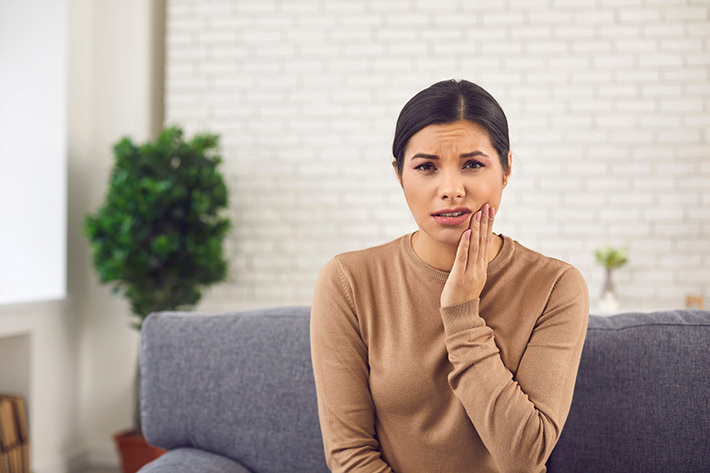
Teeth clenching and grinding, or as it is officially termed – bruxism – affects one in every ten adults and 15 percent of children.1 Commonly triggered by anxiety, stress and sleep disorders, teeth grinding can cause serious dental issues and shouldn’t be ignored.
As bruxism is usually more prevalent during sleep, many people aren’t even aware that they are grinding and/or clenching their teeth.
Regular dental check-ups are an important tool in identifying those patients who need to take steps to mitigate this condition.
Addressing bruxism can eliminate potential serious injury to teeth and other medical complications.
Symptoms of Teeth Grinding
There are a host of complications from teeth clenching and grinding, ranging from mild to serious. Jaw pain and headaches are two main symptoms of teeth grinding. Ear pain can also be attributed to bruxism.
Tooth grinding and clenching can result in the deterioration of tooth enamel, which can lead to tooth sensitivity to hot and cold foods. If the enamel is worn off a tooth there is also a high probability that a cavity will form.
Teeth clenching and grinding can also result in chipped, cracked or broken teeth. A more severe result of tooth grinding and clenching is temporomandibular joint (TMJ) disorders which affect the jaw, joint and muscles, causing pain and discomfort.2
Bruxism Risks
Some risk factors for bruxism include being angry, frustrated or otherwise stressed; having an aggressive, competitive or hyperactive personality; smoking or drinking caffeinated beverages or alcohol; some medicine use including certain antidepressants, attention-deficit/hyperactivity disorder (ADHD) and seizure medicines; heredity: and certain medical conditions such as Parkinson’s disease, dementia, gastroesophageal reflux disorder (GERD), epilepsy, ADHD, night terrors, and sleep disorders such as sleep apnea. 3
Treatments for Bruxism
There are effective treatments for bruxism. Dentists can make custom mouthguards which help to protect teeth from wear and align the jaw to reduce strain on joints. Mouthguards can be used in combination with stress reduction techniques including meditation, exercise and cognitive behavioral therapy.
Sometimes something as simple as avoiding caffeine, alcohol or smoking can be beneficial in eliminating bruxism. In more severe cases, botulinum toxin (Botox®) will be prescribed every three to four months to temporarily relax the jaw muscle and reduce pain.4 Children and young adults who experience bruxism may outgrow the condition as they age.
It’s Important to See a Dentist
Waking up with pain radiating down your face or always having headaches early in the day can be signs of bruxism. It’s important to discuss these issues and any other bruxism symptoms with your dentist or healthcare provider. A mouthguard, lifestyle changes or stress reduction may be key to helping you preserve your teeth and become pain free.
Relief Starts with the Right Dental Care
If you are dealing with teeth grinding, jaw pain, headaches, or tooth wear, getting professional dental care is important. Dr. Sedki and the team at Sedki Dentistry in Commerce Twp, MI, can evaluate your symptoms, identify possible causes, and recommend the right treatment to help protect your teeth and improve your comfort. With a focus on preventative care and advanced dental technology, we are here to support your long-term oral health.
Our full-service dental clinic provides general, cosmetic, and restorative dentistry to help patients maintain healthy, confident smiles. Call today to schedule your appointment and take the next step toward relief.
______________________________________________
1, 2 26 Facts About Bruxism by Leoline Arrieta, 3/11/2025
Link: https://facts.net/lifestyle/health/26-facts-about-bruxism/
3 Teeth Grinding (Bruxism)
Link: https://www.mayoclinic.org/diseases-conditions/bruxism/symptoms-causes/syc-20356095
4 Bruxism (Teeth Grinding), 12/18/2023
Link: https://my.clevelandclinic.org/health/diseases/10955-teeth-grinding-bruxism