
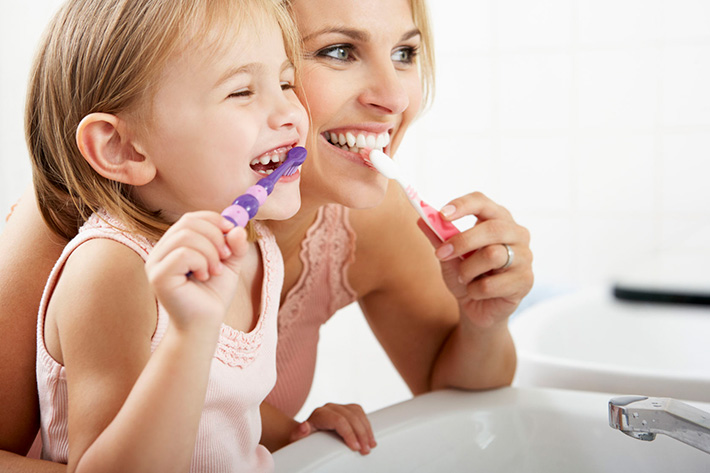
Chances are you haven’t had to deal with baby teeth since you had your own. But once your child’s baby teeth start coming in there’s some important things you want to be sure to keep an eye out for and be aware of. You may think baby teeth are only a dress rehearsal for your child’s adult teeth, but they need to be cared for just as closely and just as well for the health and safety of your child.
Baby teeth are delicate and important for your child’s current and future dental health.
You need to be ready to care for your child’s teeth and all oral hygiene needs as soon as teeth start appearing. There’s a lot of important things to keep in mind when it comes to baby teeth and your child’s oral health, but to make it easy we’ve outlined five.
Below are five of the most important facts about your child’s baby teeth and oral health.
Baby Teeth Arrive by Age 3
Baby teeth can start showing up within the first year and your child will be dealing with teething and new teeth until about the age of 3. By the age of 3 your child’s baby teeth should all have emerged If your child’s teeth have not all come in by their 3rd birthday, you should talk to your dentist.
Baby Teeth Provide Space
One of the most important functions of baby teeth are that they provide space and serve as place holders for permanent teeth. Also known as “deciduous” or “primary” teeth, they can be functional for a child for many years and some adults still have these primary teeth in the absence of their replacement coming in. This is mostly seen with molars.
Clean Teeth Early
As soon as baby teeth appear, you should begin cleaning them. Within the first few weeks of their appearance, you should begin brushing teeth gently with infant toothpaste and a soft implement (not a hard adult toothbrush). Even before the teeth appear you should be washing your child’s mouth with a warm wash cloth to their gums within the first few weeks since birth.
Head to the Dentist Right Away
As soon as a toot pops through the gums, it’s time to visit the dentist. You’ll want to monitor your child’s teeth and a family dentist will have the best recommendations when it comes to your child’s continued oral health and how to assist as more teeth begin to emerge.
Tooth Decay for Infants Can Happen
It’s not uncommon for tooth decay to affect even baby teeth. This is often called “baby bottle tooth decay” because of the sugars in many liquids children will begin drinking as they go from infant to toddler. It’s important to keep an eye on this so you don’t have to prematurely remove a child’s tooth before the adult tooth is ready.
Related Questions
When will my child begin losing their baby teeth?
Your child will lose their incisors first, usually around age six while molars and canines are the last to go around age nine but as late as thirteen for some kids.
How early can my child start getting baby teeth?
There is a wide range of first teeth emerging however, baby teeth typically begin to emerge as early as 5-6 months and as late as 12 months or more. No two children are the same.
If you have questions about dental care or the oral health of your child, Sedki Dentistry in Commerce Twp is happy to help. As a top choice for family and children’s dentistry, our dental clinic provides services for all dental health needs and concerns. Dr. Sedki has more than 20 years of experience in cosmetic dentistry, dental treatments, restorative dentistry, gum rejuvenation and more.
Get a healthy smile and keep it for life at our Commerce Michigan dental office. Call and schedule a Free Dental Consultation today!